Bears, goats and wildlife in Glacier Park
Everyone on a Glacier tour hopes for a bear, and nobody can book one. Glacier is home to grizzly and black bears. Mountain goats and bighorn sheep keep to the high country while moose favor wet ground, yet none of them keeps to a tour schedule. Below is what reviewers have seen from each trip and where your odds improve, followed by the distances the park asks you to keep.
Who shares the park with you
Glacier National Park stretches over a little more than a million acres of northwest Montana, from cedar groves along the valley creeks to alpine meadows on the Continental Divide. Most of the large animals of the northern Rockies still live here. The list below covers the ones visitors ask about most.
- Grizzly and black bears. Both species roam the park (grizzly and black bear). Coat color is a poor guide, since a black bear can be brown or cinnamon;
- Mountain goats. The white, bearded climber on the park's emblem. Goats keep to cliffs and high ledges;
- Bighorn sheep. Bighorns also favor the high country, the rams with thick curled horns;
- Moose and elk. Moose like wet meadows and slow water, while elk graze along the forest edges;
- Deer. Common in the lower valleys, often near roads and picnic spots;
- Hoary marmots and pikas. Small residents of the rock slopes above the tree line. You often hear a marmot's whistle before you see it;
- Bald eagles and osprey. Fishers of the rivers and lakes, and the birds rafting guests mention most.
None of them performs on cue. Animals follow food and weather rather than a timetable, so a day with nothing bigger than a squirrel can happen on any trip we compare.
What reviewers saw from the van
Tour Glacier's west side driving tour, from ~$250, spends 6–7 hours in the lower valleys. It stops at West Glacier and Belton Bridge before moving on to Apgar Village and the shore of Lake McDonald. Its reviews give a fair picture of the odds. One group watched a bear with her cub. Another had a 10-point buck wander close to the picnic during lunch. Plenty of others came home with lake and peak photos and no large animals, and a few reviewers call the wildlife hit and miss. A local guide adds flexibility by letting the group choose the stops, so an animal by the road can become a proper pause.
Our two picks, one for each season
On foot with a naturalist
The Glacier Guides nature walk, from ~$70, starts at 9:30 am at 11970 US-2 in West Glacier and takes a van into the Lake McDonald Valley for a pair of gentle loops, each roughly a mile (1.6 km) long, with stops at McGee Meadows and McDonald Creek in between. The second loop runs beside the Wild and Scenic North Fork of the Flathead through forest growing back after fires. Your guide carries bear spray, and the Viator listing says guides have wilderness first aid and bear-management training.
The talk covers fire science and river ecology as much as animals. Park entrance is not included, so bring your pass. Groups stay small (ten at most on GetYourGuide, 18 on Viator), though one reviewer found that people at the back of the line sometimes missed what the guide said on the move.
A naturalist's morning in the valley
Four hours with an interpretive guide who carries bear spray, on two short loops through the Lake McDonald Valley and beside the North Fork. Snacks and hiking poles come with it, from ~$70, but bring your own park pass.
From a raft on the Middle Fork
The Middle Fork of the Flathead River forms the park's southern boundary, and the rafts see it from water level. Glacier Raft Company's scenic float, from ~$77, spends about 2 hours on calm water past the meeting of the Middle and North Forks. The listing mentions eagles and osprey overhead. Deer sometimes stand on the bank. A bear or a moose turns up only rarely. Reviews bear that out. Many mention plenty of birds, and some guests saw no big animals at all. Our rafting guide compares the float with the whitewater runs.
For a later start, the rafting trip with dinner, from ~$113, takes roughly 3.5 hours in the afternoon and puts the whitewater before the meal. Many animals stir more in the cooler hours, though nothing on the listing promises a sighting. Its catch is the late-afternoon slot, offered in summer only, which takes the part of the day you might have kept for a drive or a hike.
Goats belong to the high road
If a mountain goat is the photo you came for, check a map before you book. The classic place to see them is Logan Pass, at 6,646 feet (2,026 m) on the Going-to-the-Sun Road, and none of the six main tours on this site goes up there. Tour Glacier's summer day stays on the west side below the pass, and its title says so. The historic red buses of Xanterra, the park concessioner, cross it with a guide at the wheel, and so does the Blackfeet-led Sun Tours, but both sell directly rather than through GetYourGuide or Viator. Our guide to the Sun Road weighs those against the park shuttle and your own car.
A quieter option is Glacier Hikes & Bikes' guided e-bike tour on the Going-to-the-Sun Road, from ~$320. Over 6–8 hours with a sandwich lunch, a bike makes far less noise than a car and goes slowly enough to scan the cliffs. Its catch is a steep price on a short record of four reviews (all five stars). The listing also rules it out for riders with back problems. Goats are no more guaranteed from a saddle than from a bus window.
Berry season and safe distances
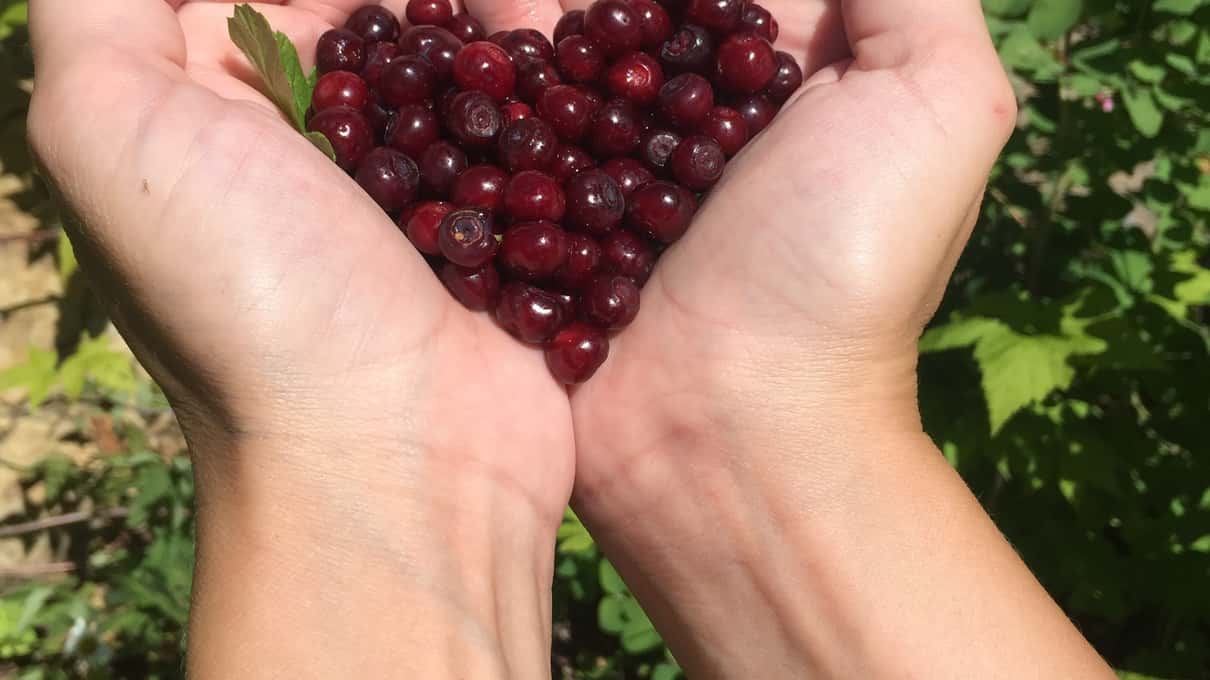
Bears spend late summer fattening up for winter. Huckleberries ripen on the lower slopes around then, and the fruit often draws bears down toward trails and roadsides. The same berry is behind Tour Glacier's optional gift shop stop in summer and the Huckleberry Land visit on its winter tour.
Distance is the rule that matters most. The park asks visitors to stay at least 100 yards (91 m) from bears and wolves and at least 25 yards (23 m) from any other animal, a rule that covers deer and goats too. Never feed anything, because animals fed by people learn habits that seldom end well for them. Park rules can change from year to year, so check the current guidance before you go. If you hike on your own, carry bear spray where you can reach it and learn how it works. Our packing guide explains why you will probably buy it after you land.
Winter brings tracks, not bears
From late fall into spring most bears are asleep, and the lower valley goes quiet. The winter trips keep to the plowed road from West Glacier to about Lake McDonald Lodge, and fresh snow shows the prints that summer ground hides. Tour Glacier's drive and snowshoe trek, from ~$230, puts you on snowshoes for about two hours in the park, the most time away from the road of any winter tour here. Glacier National Park in winter covers what else stays open.
Travelers who prefer a warm seat have the plain driving day. Tour Glacier's winter driving tour, from ~$250, follows the same plowed road with stops at Belton Bridge and Apgar, and reviewers praise its flexible guides. No animal is promised, and on a cold, short day the van stays in the lower valley.
Picking a tour for animals
Treat wildlife as a bonus on any of these trips, never as the product. The nature walk moves slowest and puts a naturalist beside you, while the summer van covers more ground in a day. River trips are strongest on birds. For the months when the animals are most active, the best time for a Glacier tour runs through the seasons. A group that wants to stay put as long as an animal does can read about private and small-group Glacier tours.